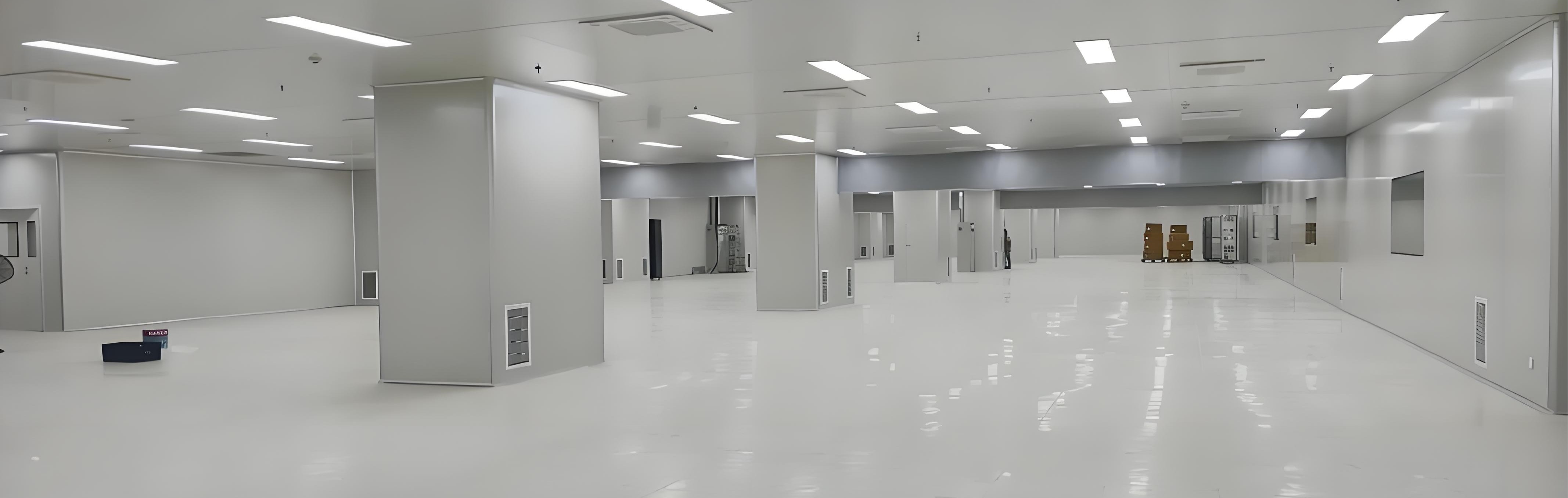

** Aviation data center
I. Project Background
The aviation data center is the core data processing hub for aviation operations, undertaking the functions of storing flight scheduling information, managing passenger service data, and transmitting data from aviation safety systems. It needs to meet the requirements of 24-hour uninterrupted operation, high data security, and low latency transmission. The computer room is home to various types of cables such as flight control system cables, passenger information cables, and equipment power supply cables. If they are laid out in a disorderly manner, it may lead to data transmission interruption or security risks. It is urgently necessary to build a standardized cable management system through professional cable tray engineering to ensure the stable flow of aviation operation data.
Ii. Customer Background
As a leading domestic air transport enterprise, ** Aviation covers multiple domestic and international routes and has extremely high requirements for air operation safety and service efficiency. The infrastructure of its data center must comply with the strict standards of the aviation industry, with particular emphasis on system reliability, anti-interference ability and emergency support capability. It is required that the cable trays in this project have fire resistance, corrosion resistance and high load-bearing performance, be able to achieve classified and isolated cable laying, and at the same time adapt to the expansion requirements brought about by the future growth of flight data volume, ensuring the long-term stable support of the data center for aviation business.
Iii. Project Content
1. Customized selection and design: Based on the different cable requirements of the flight control area, passenger data area, and power supply area in the computer room, fireproof cable trays (power supply area), closed metal trough-type cable trays (flight control area), and steel ladder-type cable trays (passenger data area) are customized. The cable tray layout is optimized to avoid aviation emergency facilities, and emergency expansion channels and operation and maintenance space are reserved.
2. Precise installation and construction: The deviation of line laying and positioning is ≤±2mm. Standardize the fixation of brackets and the sealing of bridge frame splicing. Customize turning accessories to ensure smooth cable operation. Grounding treatment is carried out simultaneously (grounding resistance ≤4Ω) to prevent static electricity and leakage risks.
3. Classified laying and marking: Lay in accordance with the principle of "separation of strong and weak current, and separate isolation of core data cables". Use partitions to reduce interference. Label the ends of the cables with their uses and equipment numbers and enter them into the system. Set up direction indicators on the outside of the cable trays to facilitate rapid operation and maintenance.

Material entry:


Construction site:


-
2025/08/23
Johor Data Center, Malaysia
Construction entity: Johor Data Center, MalaysiaProject content: Security engineeringProject Location: Johor, Malaysia -
2025/08/23
P*G Data Center, Johor, Malaysia
Construction entity: P*G Data Center, Johor, MalaysiaProject content: Weak current intelligentization engineeringProject Location: Johor, Malaysia -
2025/09/12
Malaysia De * Data Center
Project Background: The De * Data Center is located in Johor, Malaysia. As an important computing power node in...
 WhatsApp